
FRAUD ALERT: Scammers Are Impersonating Monterey County Bank. Never Share Passcodes or Online Banking Credentials by Phone.

FDIC-Insured - Backed by the full faith and credit of the U.S. Government

Stay Safe. Stay Informed.
As part of our ongoing commitment to keeping your information safe, we encourage you to review these helpful tips and resources on protecting yourself from identity theft and fraud.
Taking a few simple steps can go a long way in safeguarding your personal and financial information.
- Monitor Your Accounts Regularly
Review your bank and credit card statements frequently to detect unauthorized transactions early.
- Report Suspicious Activity Immediately
Contact your bank or card issuer as soon as you notice any unusual activity.
- Check Your Credit Reports
Regularly review your credit reports to identify any accounts opened without your consent.
- Be Cautious with Personal Information
Never share your banking login credentials via email or phone. Monterey County Bank will never request this information.
- Secure Your Devices
Keep your computer, smartphone, and tablet updated with the latest security patches and antivirus software.
- Avoid Public Wi-Fi for Banking
Use secure, private internet connections when accessing your bank accounts online.
-
Use Strong, Unique Passwords
Create passwords that are at least 12 characters long and include a mix of letters, numbers, and symbols. Avoid using easily guessed information like birthdays or names.
-
Don’t Reuse Passwords
Use a different password for each of your online accounts to prevent a breach on one site from affecting others.
-
Enable Multi-Factor Authentication (MFA)
Whenever possible, enable MFA for an extra layer of security.
-
Use a Password Manager
Consider using a reputable password manager to generate and store complex passwords securely.
-
Change Passwords Regularly
Update your passwords periodically, especially if you suspect an account may have been compromised.
-
Recognize Phishing Attempts
Be wary of emails or texts that ask for personal information or urge immediate action.
-
Verify Links and Attachments
Hover over links to see where they lead and avoid opening unexpected attachments.
-
Log Out After Sessions
Always log out of your online banking session when finished, especially on shared devices.
-
Use Bank Alerts
Set up transaction alerts to monitor account activity in real time.
If Your Card Information Is Compromised:
- Report the incident to your card issuer immediately.
- Request a new card with a different number.
- Monitor your account for unauthorized charges.
- Follow up with a written letter detailing any fraudulent transactions.
If Your Bank Account Is Compromised:
- Notify your bank right away.
- Request to close the compromised account and open a new one.
If Your Personal Identification Is Stolen:
- Contact the three major credit bureaus
- Request a fraud alert and a victim’s statement.
- Order a free credit report.
- Request removal of fraudulent accounts or inquiries.
Access your free credit report at AnnualCreditReport.com or contact the credit bureaus directly to report fraud or identity theft. Stay informed. Stay protected.


To Order Your FREE Annual Credit Report, visit:
"Vishing" Scams Are Targeting Our Community — Here's What You Need to Know
A guide to the phone scam that's reached our area, how it works, and how to protect yourself.
Over the past several days, we've heard from a number of customers who received phone calls from someone claiming to be from our Security and Fraud Department. The caller sounded professional, used our bank's name, and — in some cases — even recited personal details like a Social Security Number.
These calls were not from us. They're part of a type of scam called vishing, and it's important enough that we want to walk you through what it is, why it's happening here right now, and what to do if it happens to you.
What is vishing?
Vishing is short for "voice phishing." It's the phone-call version of the phishing emails you've probably been warned about for years. Instead of a suspicious email, you get a phone call from someone pretending to be from a company you trust — often a bank, the IRS, Amazon, Medicare, or a utility company.
The goal is always the same: to scare you or pressure you into sharing information or sending money quickly, before you have time to think it through.
Why you may be hearing about this from neighbors and friends
One thing that surprises many people is that vishing scams usually don't target individuals. They target regions.
Here's how it typically works behind the scenes. Scam operations — often organized criminal groups based overseas — purchase lists of contact information. These lists are usually sorted by ZIP code, age range, or neighborhood. The scammers then pick a well-known local bank, use technology to make their caller ID appear to come from that bank, and work through the list over the course of several days.
That's why, when these scams hit, they tend to come in clusters. If you received one of these calls, there's a good chance your neighbors, coworkers, and family members in the same area are getting similar calls around the same time. It's not personal, and it's not because anything specific about you was targeted. Your number simply appeared on a purchased list along with thousands of others.
Understanding this pattern actually makes the scam easier to spot. If a "fraud alert" call from your bank happens to arrive the same week your neighbor mentions getting one, that's a strong signal that something coordinated is going on.
Why these calls feel so convincing
Modern vishing is more sophisticated than it used to be. Scammers today have access to huge amounts of personal information — names, addresses, dates of birth, and even Social Security Numbers — because that information has been exposed in large data breaches over the last decade. You've likely seen the headlines: credit bureaus, healthcare systems, telecom companies, and major retailers have all been hit.
This means a scammer can call you and recite real details about you, even though they have no connection to your bank at all. They're working from data that was stolen from someone else, years ago. The goal of reciting that information is to earn your trust — so that when they ask for the one piece of information they actually need (a password, a verification code, or your approval to move money), you'll give it to them.
What we will never do
Please remember these rules. They apply every single time:
-
We will never call you and ask you to verify your Social Security Number, full account number, debit card number, or online banking password.
-
We will never ask you to read us a verification code we just texted or emailed you. That code exists to keep you in control of your account. If we're asking for it, we're not us.
-
We will never ask you to move money to a "safe account" to protect it. There is no such thing — this is always a scam.
-
We will never pressure you to act in the next few minutes or threaten consequences if you hang up.
If a caller does any of these things, the caller is not us. Hang up.
What to do if you receive one of these calls
-
End the call. You don't owe the person on the other end an explanation.
-
Don't trust the caller ID — even if it shows our bank's name and number. That information is easy to fake.
-
Call us back directly using the number printed on the back of your debit or credit card, or the number listed on our official website. This is the only way to be sure you're actually reaching us.
-
If the caller claimed there was a problem with your account, we can check it when you call us back. If there's a real issue, we'll see it.
What to do if you already shared information
First — this isn't your fault. These scams are designed by professionals to fool careful, intelligent people, and the ones who fall for them are rarely the ones you'd expect.
Please contact us right away. The sooner we know, the more we can do to protect your account. You should also:
-
Change your online banking password, along with any similar passwords you use elsewhere
-
Place a fraud alert or credit freeze with the three major credit bureaus (Equifax, Experian, and TransUnion) — all three are free and can be done online in minutes
-
Report the incident to the Federal Trade Commission at reportfraud.ftc.gov, which helps law enforcement track these scam operations
Help us spread the word
Because vishing scams spread through neighborhoods, the best defense is often a well-informed community. If you found this article helpful, please consider sharing it with family, friends, and neighbors — especially older relatives, who are often the most aggressively targeted.
How to reach us
If you ever have any doubt about whether a call, email, or text is really from us, reach out directly.
- Call: Your local branch
- Visit: any branch
- Secure message: log into online banking and send us a message
We'd much rather answer a hundred "is this really you?" questions than see one customer lose money to a scam. Please don't hesitate.
Stay alert, stay safe, and thank you for banking with us.
OTHER Helpful Resources
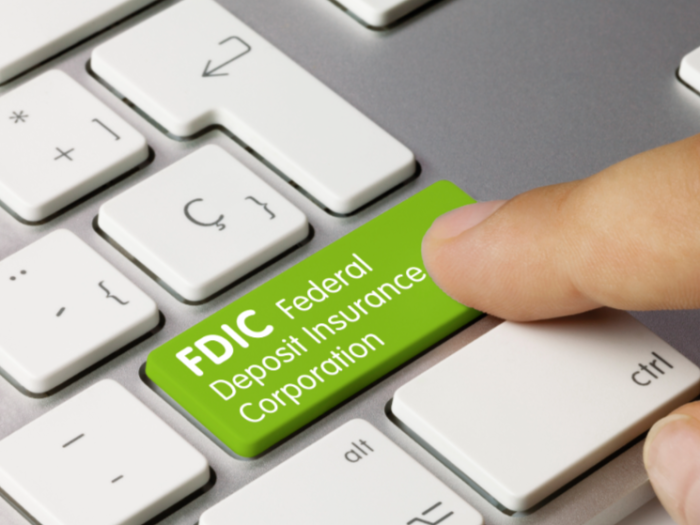
FDIC Consumer News
Stay informed with practical tips and strategies to protect your finances.


Copyright © 2026 Monterey County Bank. All rights reserved.
